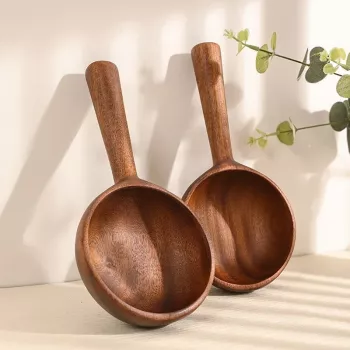
A wooden cutlery set offers a practical way to reduce reliance on disposable plastic utensils while keeping meals comfortable and stylish. With a warm, natural feel and lightweight design, it suits packed lunches, office meals, camping, and at-home dining. This guide covers what to look for, how to use and care for wooden utensils, and when a different cutlery material may be a better fit.
Swapping to reusable wooden utensils is a small habit change that can make everyday meals feel more intentional—without adding much weight or bulk to your routine.
Wooden utensils are especially handy when you need something reusable, quiet, and easy to carry—without feeling like you packed full-sized silverware.
Not all wooden cutlery is made the same. The details—wood type, finish, and sanding—affect how the utensils feel in your hand and how well they hold up over time.
| Feature | Wooden Cutlery | Bamboo Cutlery | Stainless Steel Cutlery |
|---|---|---|---|
| Weight & portability | Lightweight and easy to pack | Very lightweight; often ultra-packable | Heavier but still travel-friendly |
| Mouthfeel | Warm, gentle feel | Light and smooth; can feel slightly drier | Cool, firm feel |
| Care needs | Hand-wash recommended; dry promptly | Hand-wash recommended; dry promptly | Dishwasher-safe for most sets |
| Durability | Good for daily use with proper care | Good; may show wear with heavy use | Excellent; long lifespan |
| Best for | Picnics, lunch kits, nonstick-friendly use | Travel kits, quick meals, lightweight packing | Home dining, high-heat foods, long-term everyday use |
The “best” set is the one that gets reused. Focus on your everyday meals first (desk lunch, school lunch, snacks on the go), then add extras only if they support that habit.
Wooden utensils are simple to maintain, but they do best with gentler washing and thorough drying. A consistent routine helps prevent swelling, odors, and surface roughness.
If your goal is to stop relying on disposable utensils without switching to heavier travel flatware, the Eco-Friendly Wooden Cutlery Set is an easy, everyday-friendly option. It’s designed for daily meals, packed lunches, and on-the-go dining—ideal for keeping in a lunch bag, picnic kit, or desk drawer so it’s always within reach.
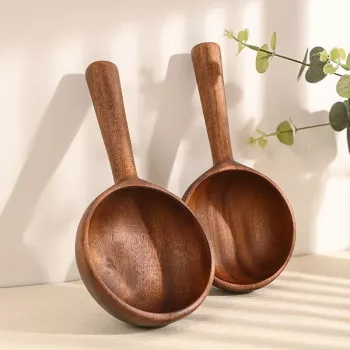
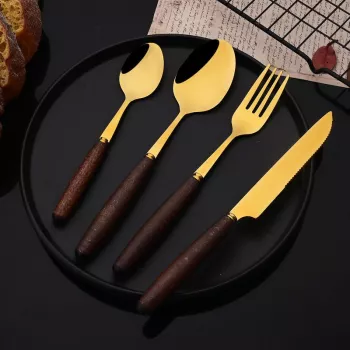
For a cohesive, natural table vibe, pair it with the Handmade Wooden Coffee Mug for warm drinks at home, or keep a more formal option on hand—like the Luxury Black Gold Cutlery Set—for dinners where you want a more polished look.
| Item | Price | Availability |
|---|---|---|
| Eco-Friendly Wooden Cutlery Set | $19.51 | In stock |
Yes for most everyday meals, including warm soups and pasta. Avoid leaving it in boiling liquids or pressed against very hot cookware for extended periods, and wash and dry promptly to help prevent warping.
Most wooden utensils last longer with hand-washing. Dishwashers can cause swelling, rapid drying, and cracking unless the item specifically states it is dishwasher-safe.
Oil it only when needed—when the surface looks dry, feels rough, or starts absorbing water quickly. Use a food-safe oil (like mineral oil) and wipe off any excess after it soaks in.









Leave a comment